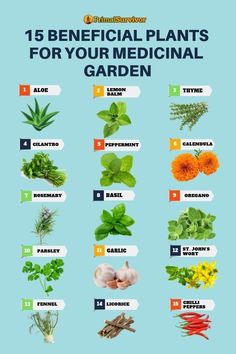

In today’s fast-paced world, more people are returning to natural remedies for common health problems. Medicinal plants are one of the easiest and most effective ways to maintain health naturally. The best part? You can grow many of these plants right at home—in pots, gardens, or even small balcony spaces. These plants help with digestion, boost immunity, relieve stress, treat wounds, cure colds, and much more.
Whether you are a beginner gardener or someone who wants to build a natural healing garden, this guide will help you discover the top 15 medicinal plants you should grow at home and how to use them safely.
Aloe Vera – The Miracle Plant
Aloe vera is one of the most popular medicinal plants worldwide. It is known for its thick, gel-filled leaves that provide multiple health benefits.
Benefits:
- Heals burns and wounds
- Moisturizes skin
- Reduces acne
- Helps in digestion

How to grow:
Aloe grows best in bright sunlight and well-drained soil. Water only when the soil is completely dry.
How to use:
Cut a leaf, extract the gel, and apply directly to the skin.
Tulsi (Holy Basil) – The Queen of Herbs
Tulsi is considered sacred in Indian households and used in Ayurvedic treatments.
Benefits:
- Boosts immunity
- Helps fight cold and cough
- Reduces stress
- Controls blood sugar levels
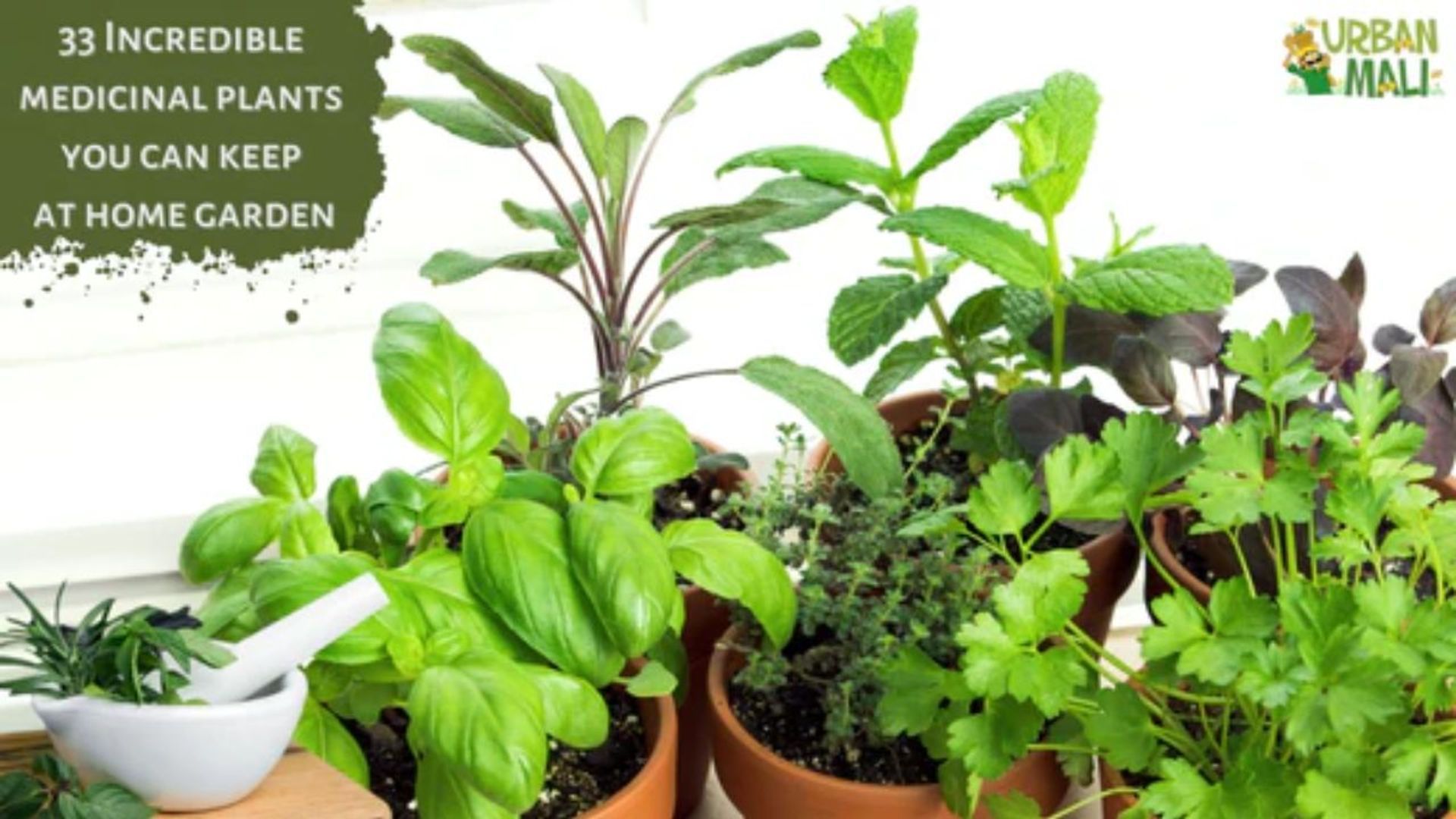
How to grow:
Keep the plant in partial sunlight. Water lightly every day.
How to use:
Boil a few leaves in water to make herbal tea.
Mint (Pudina) – The Refreshing Healer
Mint is aromatic and simple to grow, even in small pots.
Benefits:
- Improves digestion
- Treats nausea
- Relieves headaches
- Freshens breath
How to grow:
Mint spreads quickly, so plant it in a separate pot. It grows well in indirect sunlight.
How to use:
Use the leaves in tea, chutneys, or chew directly for freshness.
Neem – Nature’s Antibiotic
Neem is among the strongest natural medicinal plants.
Benefits:
- Purifies blood
- Treats skin infections
- Protects from mosquitoes
- Acts as a natural pesticide
How to grow:
Needs full sunlight and regular watering.
How to use:
Use neem leaves to boil water for skin baths or make neem paste for acne.
Ginger – The Remedy Root
Ginger is widely used in Ayurvedic and home remedies.
Benefits:
- Reduces inflammation
- Relieves sore throat
- Helps digestion
- Cures nausea
How to grow:
Plant ginger in moist soil with partial shade.
How to use:
Add fresh ginger to tea, soups, or chew raw for throat relief.
Turmeric – Golden Ayurvedic Medicine
Turmeric is a healing treasure used for centuries.
Benefits:
- Anti-inflammatory
- Boosts immunity
- Purifies blood
- Good for skin and wounds
How to grow:
Turmeric needs warm, humid conditions and regular watering.
How to use:
Use raw or powdered turmeric in milk or food.
Curry Leaves – The Hair and Health Booster
Curry leaves are not just a cooking ingredient—they are rich in medicinal value.
Benefits:
- Improves digestion
- Strengthens hair
- Controls cholesterol
- Supports liver health
How to grow:
Place in full sun. Water regularly.
How to use:
Add leaves to curries or boil for herbal tea.
Lemongrass – The Stress-Relief Herb
This fragrant plant is perfect for calming the mind.
Benefits:
- Relieves stress and anxiety
- Helps in digestion
- Acts as a mosquito repellent
- Boosts immunity
How to grow:
Needs sunlight and moist soil.
How to use:
Boil leaves in water to make lemongrass tea.
Rosemary – The Brain-Boosting Herb
A popular herb for aroma and health.
Benefits:
- Improves memory
- Enhances concentration
- Relieves headaches
- Supports hair growth
How to grow:
Grows best in sunlight with dry soil.
How to use:
Use leaves in tea or as seasoning in food.
Lavender – The Relaxation Flower
Lavender is known for its soothing fragrance.
Benefits:
- Relieves stress
- Improves sleep
- Reduces anxiety
- Acts as a natural perfume
How to grow:
Needs full sunlight and well-drained soil.
How to use:
Use dried flowers for tea or make lavender oil.
Basil (Sweet Basil) – The Digestive Healer
Different from Tulsi, this basil is commonly used in cooking.
Benefits:
- Helps digestion
- Reduces inflammation
- Boosts immunity
- Fights infections
How to grow:
Place in sunlight with moderate watering.
How to use:
Use fresh leaves in pasta, salads, or tea.
Fenugreek (Methi) – The Powerful Detox Plant
Methi leaves and seeds have countless benefits.
Benefits:
- Controls diabetes
- Improves digestion
- Helps with weight loss
- Strengthens hair roots
How to grow:
Sprouts quickly in pots with daily watering.
How to use:
Use fresh leaves in food or drink methi seed water.
Thyme – The Antiseptic Herb
Thyme is known for its strong antibacterial properties.
Benefits:
- Treats cough and cold
- Kills germs
- Helps digestion
- Improves immunity
How to grow:
Needs sunlight with dry soil.
How to use:
Make thyme tea or use in seasoning.
Chamomile – The Sleep Herb
Chamomile flowers are known for their calming effects.
Benefits:
- Improves sleep
- Reduces anxiety
- Heals skin irritations
- Helps digestion
How to grow:
Grows well in pots under sunlight.
How to use:
Use dried flowers to make chamomile tea.
Peppermint – The Cold & Flu Fighter
Peppermint is stronger than regular mint.
Benefits:
- Relieves cold
- Clears nasal congestion
- Soothes headaches
- Improves digestion
How to grow:
Needs partial sunlight and moist soil.
How to use:
Boil leaves in steam water or make peppermint tea.
Why You Should Grow Medicinal Plants at Home
Growing medicinal plants is not only easy but also beneficial for your health, lifestyle, and environment.
100% Chemical-Free Treatment
Natural remedies have no harmful chemicals, unlike many over-the-counter medicines.
Saves Money
Instead of buying expensive medicines, you can treat everyday issues with plants from your garden.
Always Available
You don’t need to run to the store—fresh herbs are right at home.
Makes Your Home Greener
Medicinal plants purify the air and add beauty to your surroundings.
Final Tips for Growing Medicinal Plants
- Use organic soil for best results
- Do not overwater
- Ensure enough sunlight
- Prune regularly to promote fresh growth
- Start with easy plants like aloe vera, mint, tulsi, and ginger
Conclusion
Medicinal plants are a natural pharmacy that you can build in your own home. These top 15 medicinal plants not only beautify your space but also provide powerful health benefits. From boosting immunity to improving digestion, treating skin problems, and reducing stress—these plants give you natural healing at your fingertips.
Growing them is simple, affordable, and rewarding. Start with a few plants and slowly expand your home medicinal garden. Your health will thank you!

