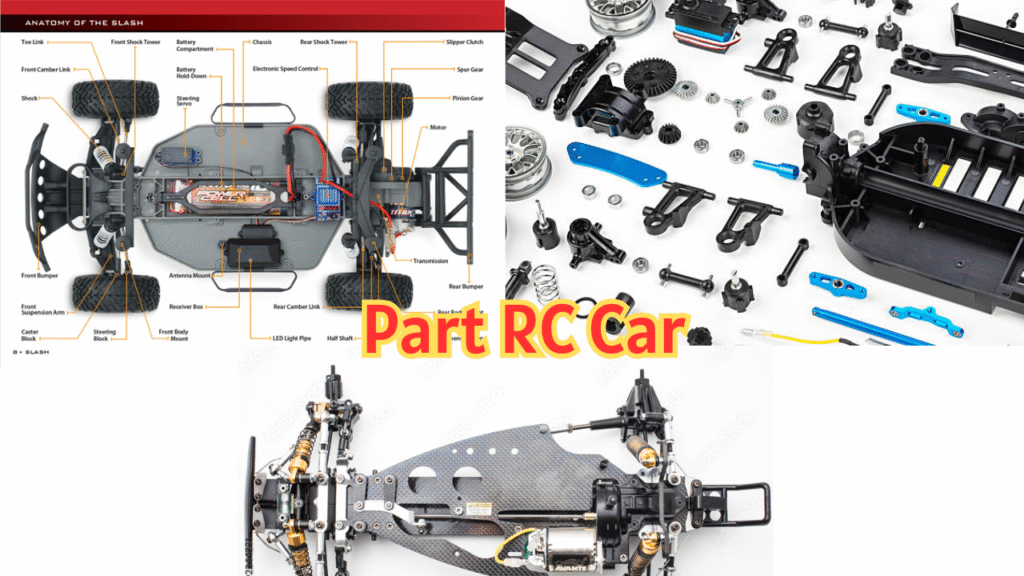

Remote-controlled (RC) cars have fascinated enthusiasts for decades — combining the thrill of speed, the satisfaction of building, and the creativity of customization. Whether you’re a beginner exploring your first RC vehicle or an experienced racer upgrading your model, understanding RC car parts is essential. Each part — from the motor to the suspension — plays a vital role in performance, control, and durability.
In this article, we’ll explore every important part of an RC car, how each component works, the types available, and how they affect the car’s performance. By the end, you’ll have a complete understanding of your RC car’s anatomy and how to keep it running at its best.
Introduction to RC Cars
An RC car (Remote-Controlled Car) is a miniature model vehicle powered by electricity or fuel and controlled remotely using a transmitter. These cars can be on-road (for smooth surfaces) or off-road (for rough terrains).
RC cars are popular among hobbyists, racers, and even children — because they offer a mix of fun, engineering, and mechanical knowledge. But behind that fun lies a network of precise components working together seamlessly.
Main Categories of RC Cars
Before learning about individual parts, let’s understand the main types of RC cars because the components slightly differ among them:
- Electric RC Cars: Powered by electric motors and rechargeable batteries (LiPo or NiMH). These are quiet, clean, and beginner-friendly.
- Nitro RC Cars: Run on nitro fuel (methanol-based). They provide realistic sound and performance, often used by professional racers.
- Gas RC Cars: Powered by gasoline engines. These are larger, more powerful, and suitable for outdoor environments.

Each type has its own unique setup, but most share similar mechanical parts like motors, servos, suspension, and chassis.
The Key Parts of an RC Car
Let’s now dive into the core components that make an RC car run efficiently.
Chassis – The Foundation
The chassis is the backbone of the RC car. It’s the main frame that holds all other components such as the motor, battery, and wheels.
Types of chassis materials:
- Plastic: Lightweight and inexpensive; ideal for beginners.
- Aluminum: Durable, strong, and offers stability during racing.
- Carbon Fiber: Lightweight and strong; used in high-end racing cars for speed and agility.
A good chassis design ensures weight balance, durability, and ease of maintenance.
Motor – The Heart of the Car
The motor is what powers the car’s movement. It converts electrical energy (or fuel) into mechanical motion.
Types of motors:
- Brushed Motors: Common in entry-level RC cars. They are affordable but require more maintenance due to brushes that wear out over time.
- Brushless Motors: Used in advanced models; they are more powerful, efficient, and durable with less friction.
Motor Specifications:
- KV Rating (RPM per Volt): Determines the speed. Higher KV = more speed, lower KV = more torque.
- Turns (T): Fewer turns mean higher speed, more turns mean higher torque and control.
A powerful brushless motor can make your RC car incredibly fast — even reaching 60–100 mph in competition-grade models!
Electronic Speed Controller (ESC)
The ESC regulates the power from the battery to the motor. It controls how fast the motor spins based on the throttle input from your remote.
There are two main types:
- Brushed ESC: Works with brushed motors.
- Brushless ESC: Designed for brushless systems.
The ESC also includes braking control, reverse drive, and protection circuits to prevent overheating or overload.
Battery and Charger
The battery is the car’s energy source (for electric RC cars). It powers the motor, ESC, and receiver.
Common battery types:
- NiMH (Nickel Metal Hydride): Safer and budget-friendly, ideal for beginners.
- LiPo (Lithium Polymer): Lightweight and high-performance, used in racing cars for longer runtime and faster speed.

Battery ratings to note:
- Voltage (V): Determines power.
- mAh (milliamp-hour): Indicates capacity (the higher, the longer the run time).
Always use a balanced charger for LiPo batteries to prevent damage or overheating.
Transmitter and Receiver – The Control System
The transmitter (controller in your hands) sends signals to the receiver (mounted in the car), which controls the steering and throttle.
Types of transmitters:
- Pistol-grip style: Common and user-friendly.
- Stick style: Used in aircraft or traditional RC setups.
Radio frequencies:
Modern RC cars operate on 2.4GHz systems, which provide long range and interference-free control.
Servo – The Steering Muscle
The servo motor controls the steering mechanism by turning the front wheels. In some advanced RC cars, a second servo is used for throttle or braking.
Servo types:
- Analog Servos: Standard, used in basic models.
- Digital Servos: Offer faster and more precise responses.
Important specifications:
- Torque: How strong the servo is.
- Speed: How fast it can turn the wheels.
For high-speed racing, metal gear digital servos are preferred because of their accuracy and strength.
Suspension System
Just like real cars, RC cars have suspension systems that absorb shocks and help maintain tire contact with the ground.
Components include:
- Shock absorbers (dampers)
- Springs
- Arms and mounts

Suspension tuning can change your car’s handling drastically. Softer suspension is better for off-road terrain, while stiff suspension improves on-road stability.
Wheels and Tires
The wheels and tires determine traction, grip, and speed. RC car tires are available in various compounds and treads.
Types of tires:
- On-road tires: Smooth surface, designed for asphalt or concrete.
- Off-road tires: Deep treads for dirt, grass, and rocks.
- Drift tires: Hard rubber or plastic for sliding action.
Proper tire selection is crucial for performance. For example, soft rubber gives better grip but wears out faster.
Drivetrain – The Power Transmission
The drivetrain transfers power from the motor to the wheels. Depending on design, RC cars can be:
- 2WD (Two-Wheel Drive): Simpler and lighter; rear wheels usually provide power.
- 4WD (Four-Wheel Drive): More traction and control, especially for off-road use.
Main drivetrain components:
- Gears (spur and pinion)
- Drive shafts
- Differentials
Adjusting gear ratios can improve acceleration or top speed depending on your preference.
Body Shell – The Outer Design
The body shell gives your RC car its visual appeal. It’s often made from polycarbonate plastic, which is lightweight yet durable.
Body shells can be painted, detailed, or customized with stickers to give your car a unique look.
Some racers use aerodynamic designs to reduce drag and increase top speed.
Cooling System
High-performance RC cars generate a lot of heat from the motor and ESC. Cooling systems like heatsinks or fans help maintain temperature and extend the life of electronic components.
Optional and Upgrade Parts
For advanced users, there are several upgrade options to boost performance:
- Metal gears (replace plastic ones for strength)
- Aluminum suspension arms (for rigidity)
- High-C rating LiPo batteries (for faster acceleration)
- Performance tires (improve traction)
- Programmable ESCs (customize throttle curves and braking)
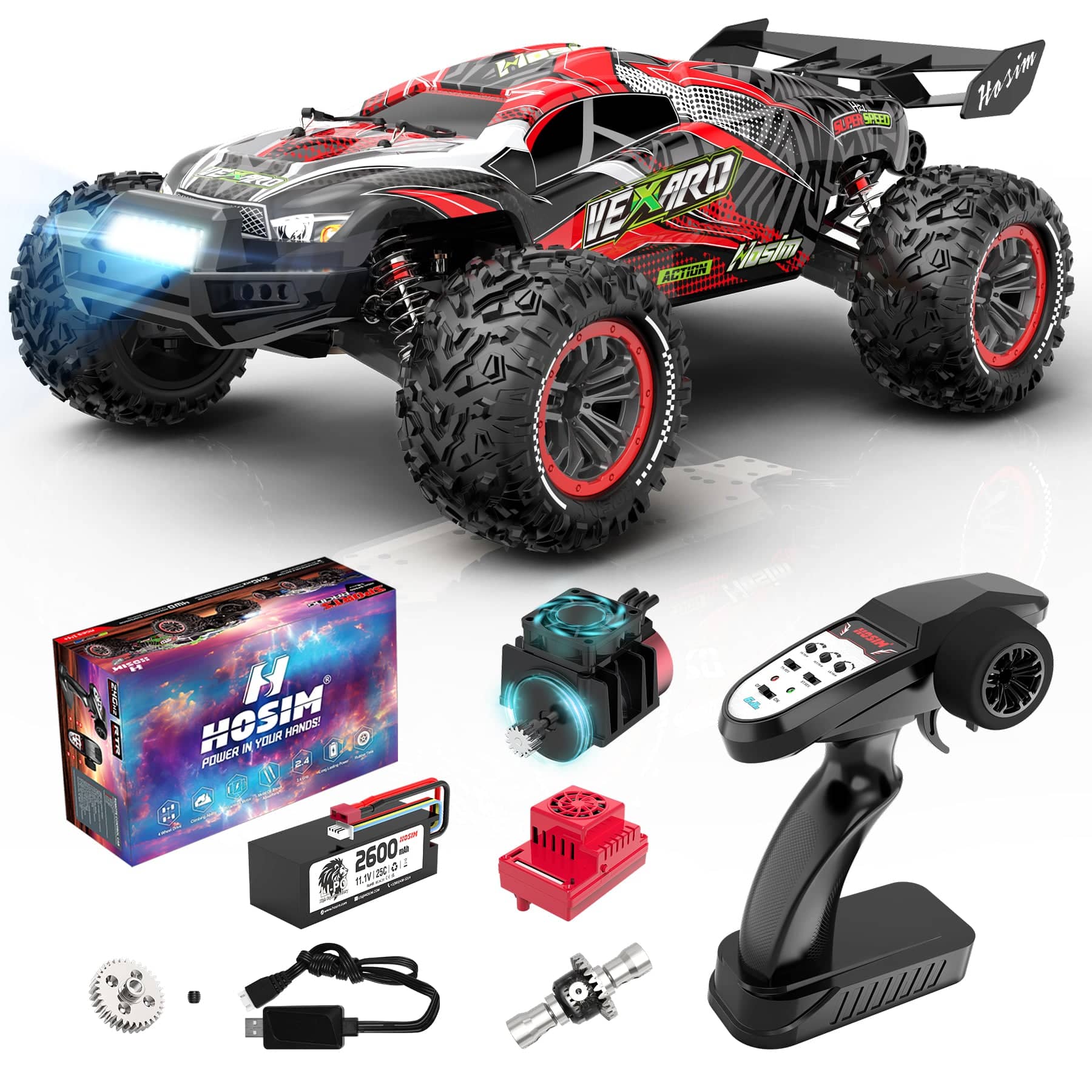
These upgrades can transform a basic RC car into a professional-grade racing machine.
Maintenance and Care Tips
To keep your RC car in top shape, regular maintenance is crucial.
Tips:
- Clean after every run, especially off-road use.
- Check gears and screws for tightness.
- Lubricate moving parts like bearings and axles.
- Keep electronics dry and free from dust.
- Store batteries properly and avoid overcharging.
Well-maintained RC cars not only last longer but also perform more consistently.
Understanding Scale Sizes
RC cars come in different scales (size ratios compared to real cars).
Common scales include:
- 1/10 scale: Most popular, balances speed and size.
- 1/8 scale: Larger and used in professional racing.
- 1/16 or 1/18 scale: Smaller, ideal for indoor use.
Choosing the right scale depends on where you plan to drive your RC car and your budget.
Common Problems and Solutions
Even the best RC cars face issues. Here are a few common problems and fixes:
| Problem | Possible Cause | Solution |
|---|---|---|
| Car not moving | Battery low or ESC faulty | Charge or replace components |
| Poor steering | Servo issue or loose linkage | Tighten or replace servo |
| Overheating | Over-geared motor or poor cooling | Use smaller gear or add fan |
| Short runtime | Low-capacity battery | Upgrade to higher mAh battery |
Choosing the Right RC Car
When buying or building your RC car, consider these factors:
- Purpose: Racing, drifting, or off-road fun?
- Budget: Higher performance costs more.
- Skill level: Beginners should start with electric 2WD cars.
- Upgrade options: Look for models with easily replaceable parts.
Brands like Traxxas, HPI Racing, Redcat Racing, and Tamiya are well-known for quality and reliability.
The Joy of Customization
One of the best things about RC cars is the ability to customize. You can change the body, upgrade the motor, or even design your own chassis.
RC car enthusiasts often build unique setups — from speed demons to rock crawlers — expressing creativity through engineering.
Conclusion
An RC car may look small, but it’s a masterpiece of mechanical and electrical engineering. Every part — the motor, ESC, chassis, suspension, and tires — plays a critical role in how it performs.
Understanding your RC car’s parts helps you tune it for better speed, control, and durability. Whether you’re a hobbyist or a professional racer, this knowledge empowers you to repair, upgrade, and optimize your machine for endless fun.
So the next time you pick up your RC controller, remember — you’re not just driving a toy, but a miniature marvel of technology and design.