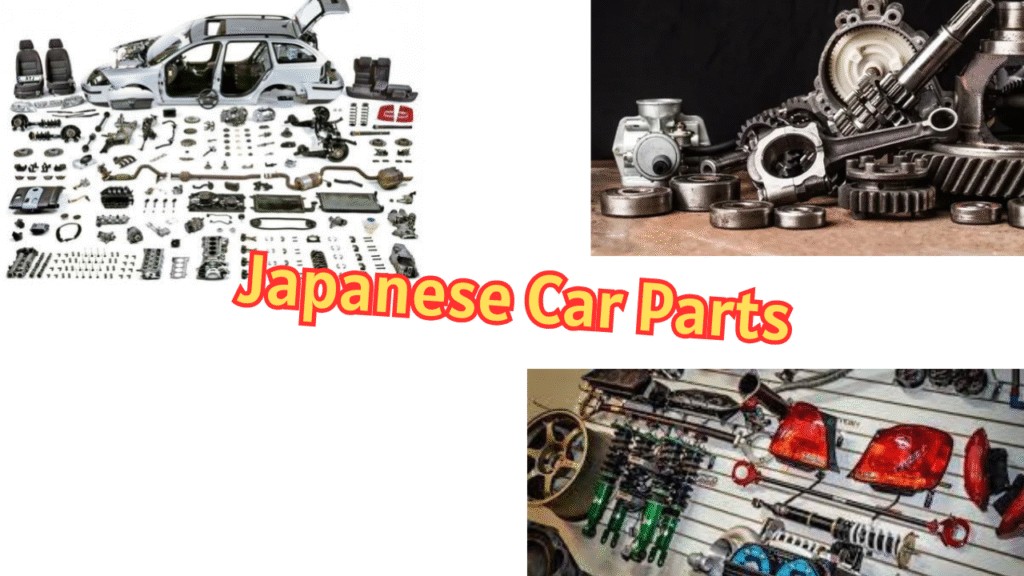

Japanese car parts are known around the world for their unmatched quality, durability, and engineering precision. Whether it’s the powerful engines of Toyota, the reliability of Honda, or the advanced technology in Nissan and Mazda, Japanese automotive parts have earned a reputation for being some of the most dependable and long-lasting in the global automobile market.
This article explores the history, importance, types, leading brands, and benefits of Japanese car parts, as well as how to identify genuine components and why they remain the top choice for millions of car owners and mechanics worldwide.
Introduction to Japanese Car Parts
Japan has long been recognized as a leader in automobile manufacturing. Brands like Toyota, Honda, Nissan, Mazda, Mitsubishi, and Subaru have set high standards for performance and innovation. Behind this success lies the superior craftsmanship and technology that goes into making their car parts.
Japanese car parts are not just components; they represent precision, reliability, and innovation. Each part, from a small screw to a high-performance engine, is designed using strict quality standards and continuous research. These parts are also eco-friendly, fuel-efficient, and built to last, which makes them highly demanded worldwide.

Why Japanese Car Parts Are Popular Worldwide
There are several reasons why Japanese car parts dominate the global market:
Unmatched Quality Control
Japanese manufacturers follow strict quality assurance standards such as ISO 9001 and Kaizen (continuous improvement) principles. This ensures that every product leaving the factory is tested for performance and durability.
Long-Lasting Durability
Japanese car parts are designed for long life spans. Whether it’s brake pads, clutches, engines, or transmission systems, they are made to perform efficiently even after years of use.
High Fuel Efficiency
Japanese parts contribute significantly to improving a vehicle’s fuel economy. Lightweight materials, aerodynamic designs, and advanced engine technologies reduce fuel consumption and emissions.
Affordable and Easily Available
Japanese car parts are often more affordable compared to European or American alternatives, while maintaining the same—if not better—level of quality. They are also widely available through authorized dealers and online stores.
Types of Japanese Car Parts
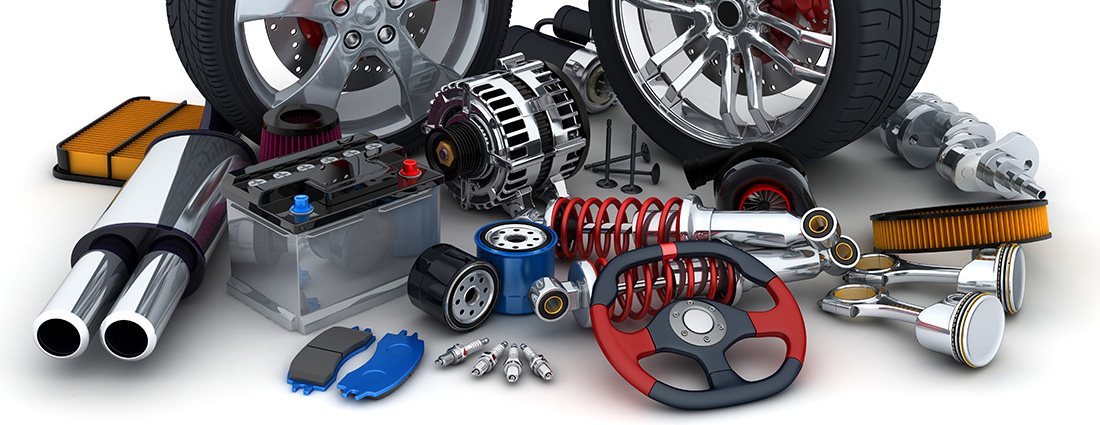
Japanese car parts can be broadly divided into two main categories: OEM (Original Equipment Manufacturer) and Aftermarket Parts.
OEM Parts
These are the exact parts manufactured by the same company that made the car. They offer perfect compatibility and factory-grade quality. For example, Toyota OEM parts are specifically made by Toyota for their own vehicles.
Aftermarket Parts
These are manufactured by third-party companies but are designed to fit and function like the original parts. High-quality Japanese aftermarket brands like KYB, Denso, and Aisin are trusted worldwide for their reliability and performance.
Performance Parts
Japan is also famous for its performance car culture, producing specialized parts for tuning and racing. Companies like HKS, Tomei, and Greddy are known for making high-performance exhaust systems, turbochargers, and engine components.
Popular Japanese Car Parts Brands
Denso
One of the world’s largest car parts suppliers, Denso manufactures parts like spark plugs, air-conditioning systems, alternators, and sensors. It’s a key supplier for brands such as Toyota and Lexus.
Aisin
Aisin Seiki Co., Ltd. produces a wide range of automotive parts, including transmissions, braking systems, and engine components. Aisin is also part of the Toyota Group, ensuring top-notch quality.
NGK Spark Plugs
NGK is globally known for its spark plugs and ignition systems. Their products are used by millions of cars for reliable engine performance and better fuel combustion.
KYB
Kayaba Industry Co. Ltd. (KYB) is a leading name in shock absorbers and suspension systems. Many automakers rely on KYB for smooth and stable rides.
Hitachi Automotive Systems
Hitachi produces electronic components, engine control systems, and braking technologies, combining innovation with Japanese precision.
Bridgestone
A global leader in tire manufacturing, Bridgestone provides durable and high-performance tires for all types of vehicles—from compact cars to sports models.
The Importance of Genuine Japanese Car Parts
Using genuine parts is essential for maintaining your vehicle’s safety, reliability, and performance. Fake or low-quality parts might be cheaper, but they can cause damage and increase long-term costs.
Benefits of Genuine Parts
- Perfect Fit: Designed specifically for your vehicle model.
- Warranty Protection: Most original parts come with warranty coverage.
- Better Safety: Ensures your vehicle performs as intended by the manufacturer.
- Higher Resale Value: Cars with genuine parts maintain better resale prices.
How to Identify Genuine Parts
- Check Packaging: Genuine Japanese parts come in branded, sealed packaging.
- Verify Part Numbers: Each part has a unique serial number or QR code.
- Purchase from Authorized Dealers: Avoid local knockoffs by buying only from verified sellers.
Japanese Technology and Innovation in Car Parts
Japan’s automobile industry is powered by innovation. The focus is not just on building parts, but also on improving them continuously. Some recent innovations include:
- Hybrid and Electric Vehicle Components: Japan leads in EV and hybrid systems, with parts developed by Toyota, Nissan, and Panasonic.
- Advanced Sensors and Electronics: Japanese parts integrate smart sensors for safety features like automatic braking and adaptive cruise control.
- Lightweight Materials: Use of aluminum, carbon fiber, and composite materials helps reduce weight and increase efficiency.
- Eco-Friendly Manufacturing: Companies follow strict environmental standards to minimize carbon emissions and waste.
Export and Global Market for Japanese Car Parts
Japan exports car parts to over 190 countries, including the United States, India, Australia, the United Kingdom, and many European nations. The Japan Auto Parts Industries Association (JAPIA) ensures that exports meet international quality standards.
Top Exported Japanese Car Parts
- Engines and Engine Components
- Electrical and Electronic Systems
- Suspension and Brake Systems
- Transmission Parts
- Tires and Batteries
These exports contribute significantly to Japan’s economy and strengthen its reputation as a global automotive hub.
The Role of Japanese Car Parts in Motorsports
Japan is also home to world-famous motorsport brands like Nismo (Nissan Motorsports), TRD (Toyota Racing Development), and Mugen (Honda Performance). These divisions manufacture high-performance components such as turbochargers, exhaust systems, and lightweight body kits for racing and tuning enthusiasts.

Japanese performance parts are known for providing:
- Better acceleration and speed
- Improved handling and control
- Enhanced engine performance
Motorsports like Formula Drift Japan, Super GT, and Japanese Touring Car Championship (JTCC) heavily rely on these advanced components.
The Future of Japanese Car Parts Industry
The future of Japanese car parts lies in sustainability and digitalization. With the global shift toward electric vehicles (EVs) and autonomous driving, Japanese companies are focusing on:
- EV Batteries and Powertrains (Panasonic, Aisin, Hitachi)
- AI-Based Safety Systems
- Recyclable Car Components
- Smart Manufacturing Using Robotics
The combination of AI, robotics, and precision engineering ensures that Japan will remain at the forefront of the global automotive parts industry for decades to come.
How to Buy Japanese Car Parts Online
Buying Japanese car parts online is easy, but it’s important to choose reliable platforms. Some trusted websites include:
- Amayama.com – Genuine OEM Japanese car parts for Toyota, Nissan, Honda, Mazda, and more.
- JapanParts.com – Exports original and performance parts globally.
- Nengun Performance – Specializes in Japanese tuning and racing components.
- Rakuten & Yahoo Japan Auctions – Offer both new and used car parts at competitive prices.
Tip: Always verify part numbers and read customer reviews before purchase.
Conclusion
Japanese car parts are a symbol of excellence, reliability, and technological innovation. From everyday vehicles to high-performance racing machines, Japanese components deliver superior performance and longevity.

Their blend of advanced engineering, affordable pricing, and eco-conscious manufacturing makes them the preferred choice for drivers and mechanics across the globe.
Whether you’re maintaining a car, upgrading performance, or restoring a vintage Japanese model, choosing authentic Japanese car parts ensures your vehicle continues to perform at its best—just as the engineers in Japan intended.