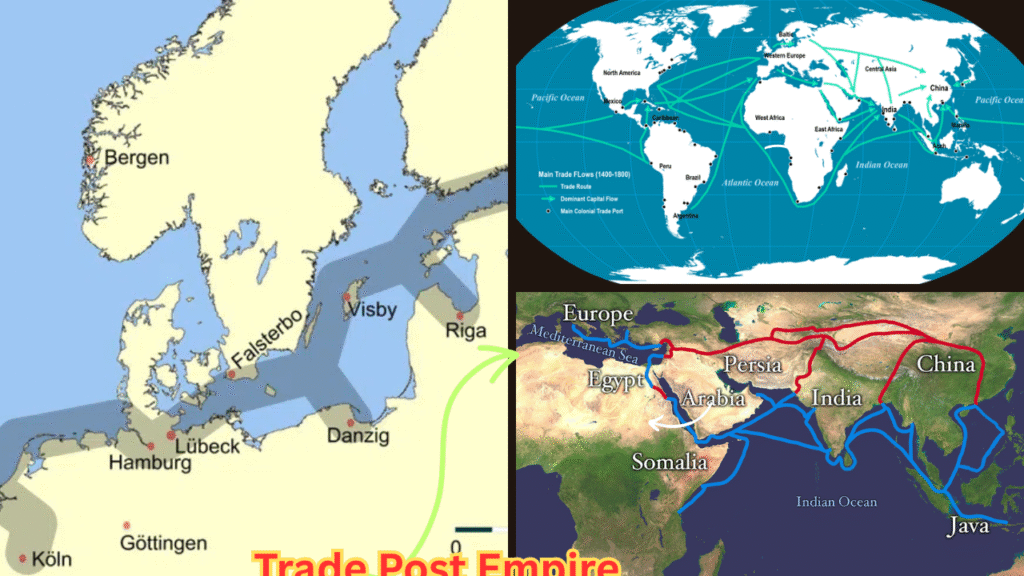
The World Map is a visual representation of the Earth’s surface that shows the arrangement of continents, oceans, countries, and important geographical features. It helps us understand how different places are connected and gives us a big picture of our planet.
A typical world map highlights:
Continents: Asia, Africa, North America, South America, Europe, Australia, and Antarctica.
Oceans: Pacific, Atlantic, Indian, Southern, and Arctic.
Countries and Borders: Each nation is marked with boundaries, capital cities, and major regions.
Latitude and Longitude: Lines drawn across the map to help in navigation and location finding.
Geographical Features: Mountains, rivers, deserts, and forests are often shown depending on the type of map.
World maps can be of many types, such as political maps (showing countries and borders), physical maps (showing natural features like mountains and rivers), and thematic maps (focused on climate, population, or resources).
Because the Earth is round, maps are drawn using different projections (like Mercator or Robinson projection) to fit the globe onto a flat surface. Each projection has its own advantages and distortions.
The world map is more than just a tool for geography—it is a way to explore cultures, trade routes, history, and even future possibilities of travel and global connections.
Introduction Chinatown in New York City is one of the most iconic, vibrant neighborhoods in Manhattan and beyond. Many people—residents, visitors, businesses—often wonder: What is the zip code for Chinatown,…
Introduction When we look back at history, one of the most powerful engines of human progress has been trade. Beyond just the exchange of goods, trade built cities, connected cultures,…